

The Complete Guide to the Sole of a Shoe [Types, Construction & Care Tips Explained]

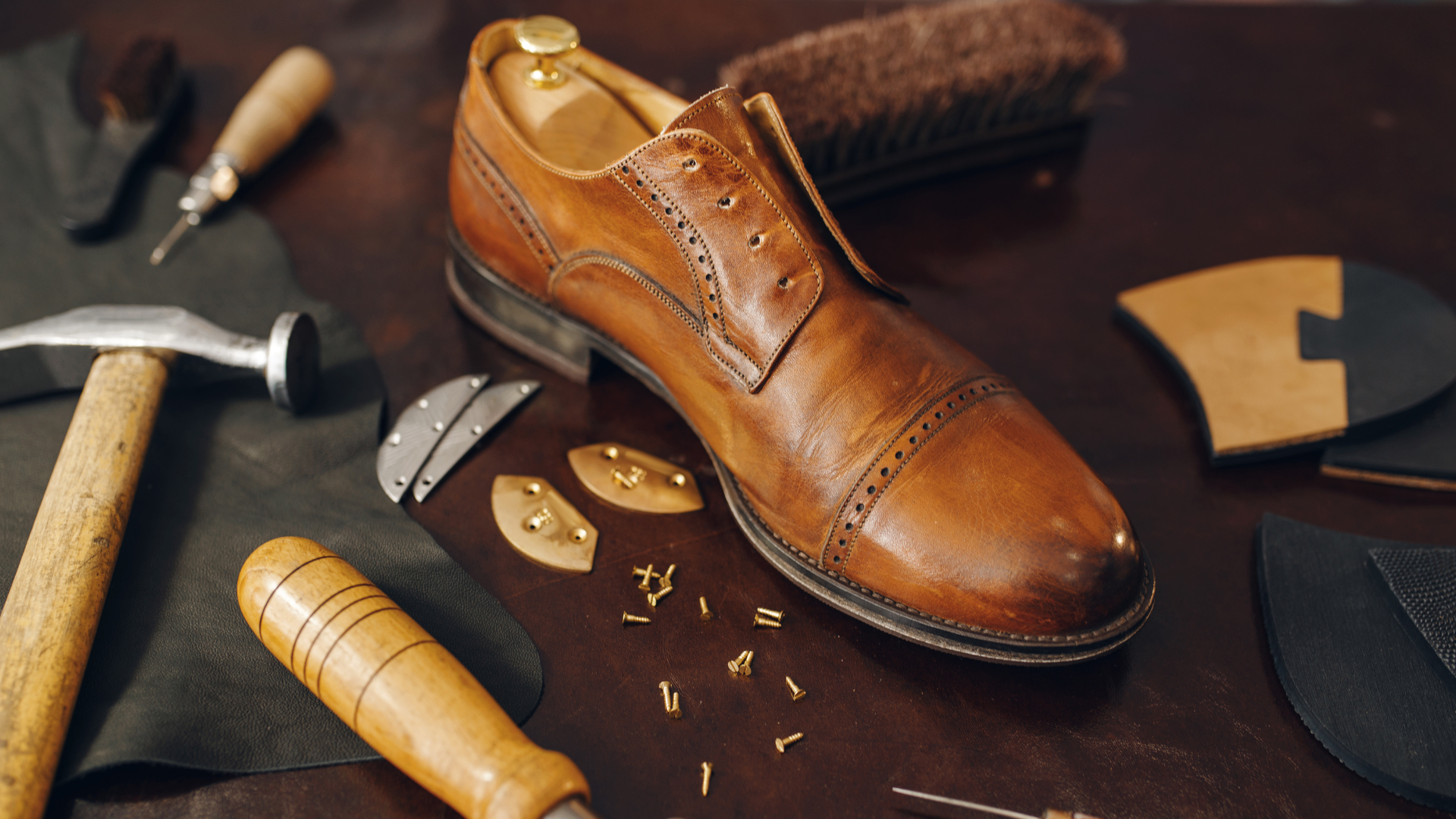
The sole of a shoe plays an essential role in how footwear performs, feels, and lasts over time. It affects everything from comfort and stability to durability and style. Understanding the types of soles, how they are constructed, and how to care for them allows consumers to make better choices when selecting footwear or maintaining their current pairs.
This blog article explains the different materials used for shoe soles, the advantages of each type, the activities they are suited for, common construction methods, and the best care practices for each type of sole.
What is the Sole of a Shoe?
The sole of a shoe refers to the entire bottom portion that comes into contact with the ground. Although the term can technically include the insole, midsole, and outsole, most people refer to the outsole when discussing the sole. The outsole provides protection, stability, and grip, and it varies depending on the type of shoe. Formal footwear such as oxford shoes and formal shoes often have thin leather soles designed for elegance, while athletic and casual footwear use cushioned soles designed for impact absorption and flexibility.
Types of Soles
Soles are created from a variety of materials, each with distinct characteristics. The choice of material greatly affects durability, weight, comfort, and traction.
Leather Soles
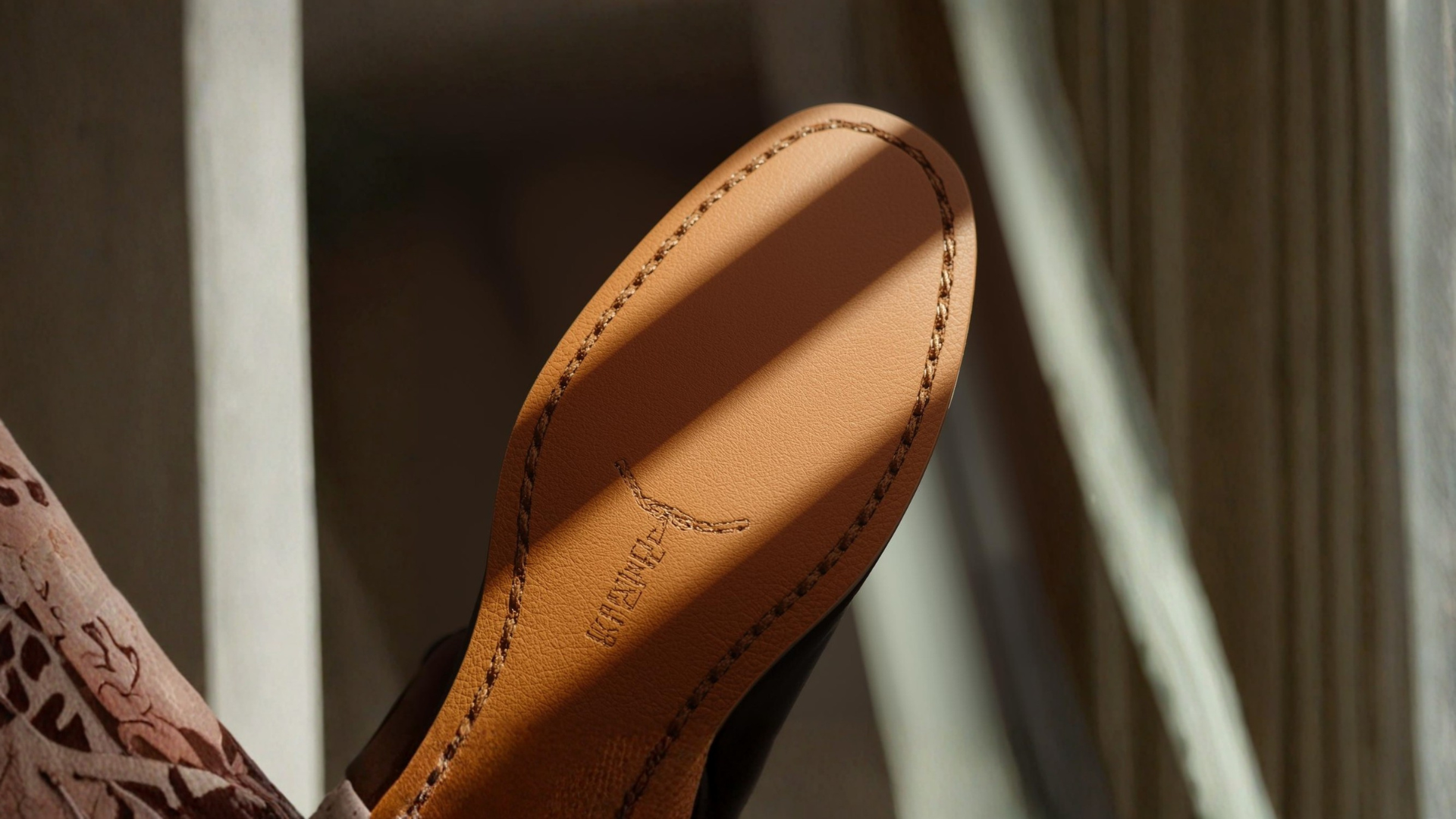
Leather soles have long been associated with classic formal footwear, including black dress shoes and wedding shoes for men. They offer a sleek, polished appearance and allow the feet to breathe. Over time, leather naturally moulds to your foot shape, delivering a customised fit.
However, leather soles are not ideal for wet surfaces, and they may feel slippery when new. They are best used in office settings, events, and occasions where a refined aesthetic is preferred.
Benefits of leather soles:
- Provide an elegant and polished appearance suitable for formal and business settings
- Offer natural breathability that helps reduce moisture buildup
- Mould to the shape of the foot over time, enhancing comfort
- Deliver a structured and supportive feel that helps maintain posture
Rubber Soles
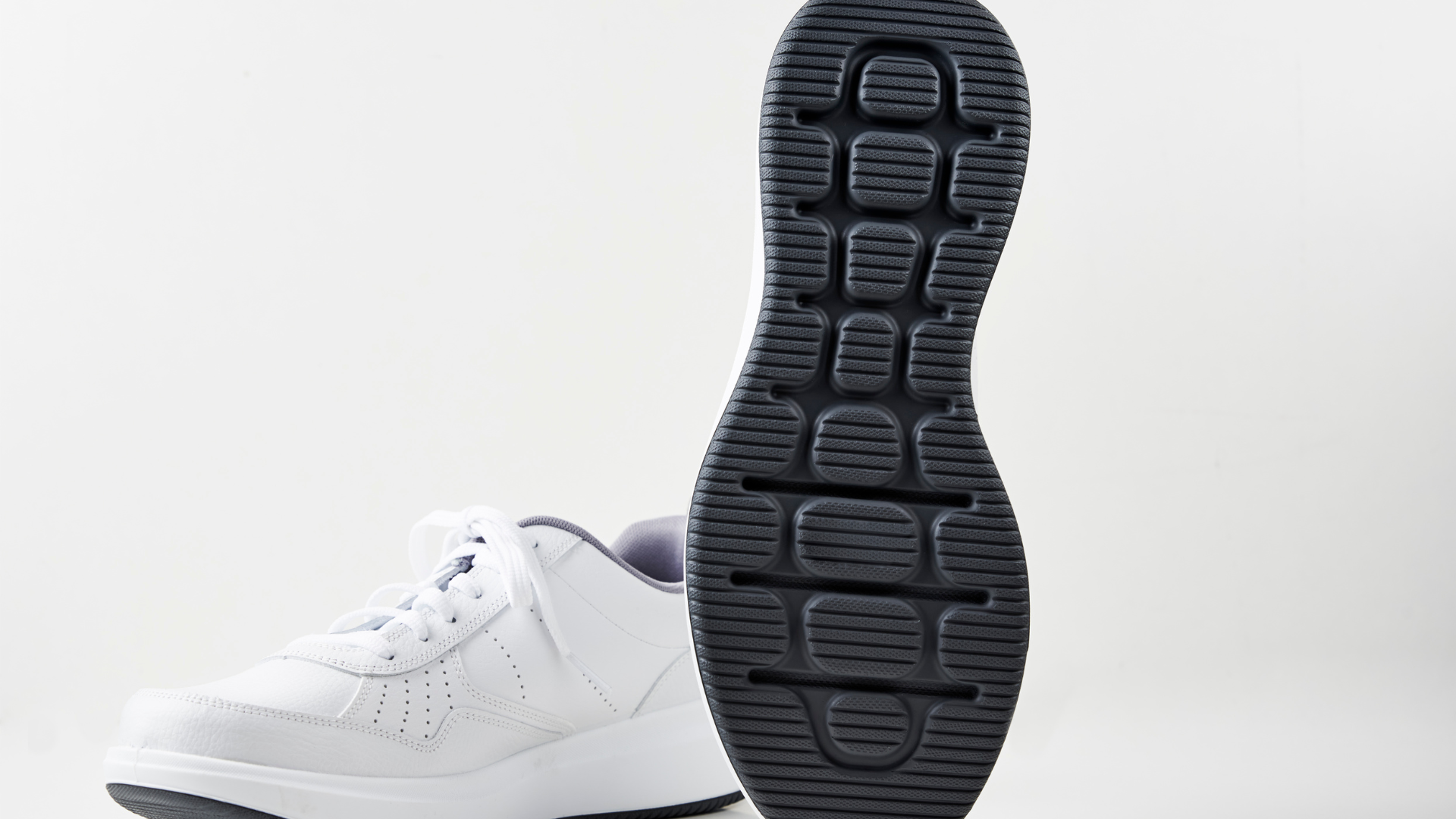
Rubber soles are durable, slip-resistant, and versatile, making them suitable for everything from casual shoes to black boots. Rubber provides superior traction and performs well on multiple surfaces, including wet or uneven terrain. It is also more wear-resistant than leather, which is why many modern dress shoes now incorporate rubber outsoles or hybrid rubber-leather designs for everyday practicality.
Benefits of rubber soles:
- Provide excellent grip and stability across different terrains
- Resist water, making them suitable for wet or outdoor environments
- Offer strong shock absorption for comfort during long walking periods
- Maintain durability and wear resistance over time
EVA Soles
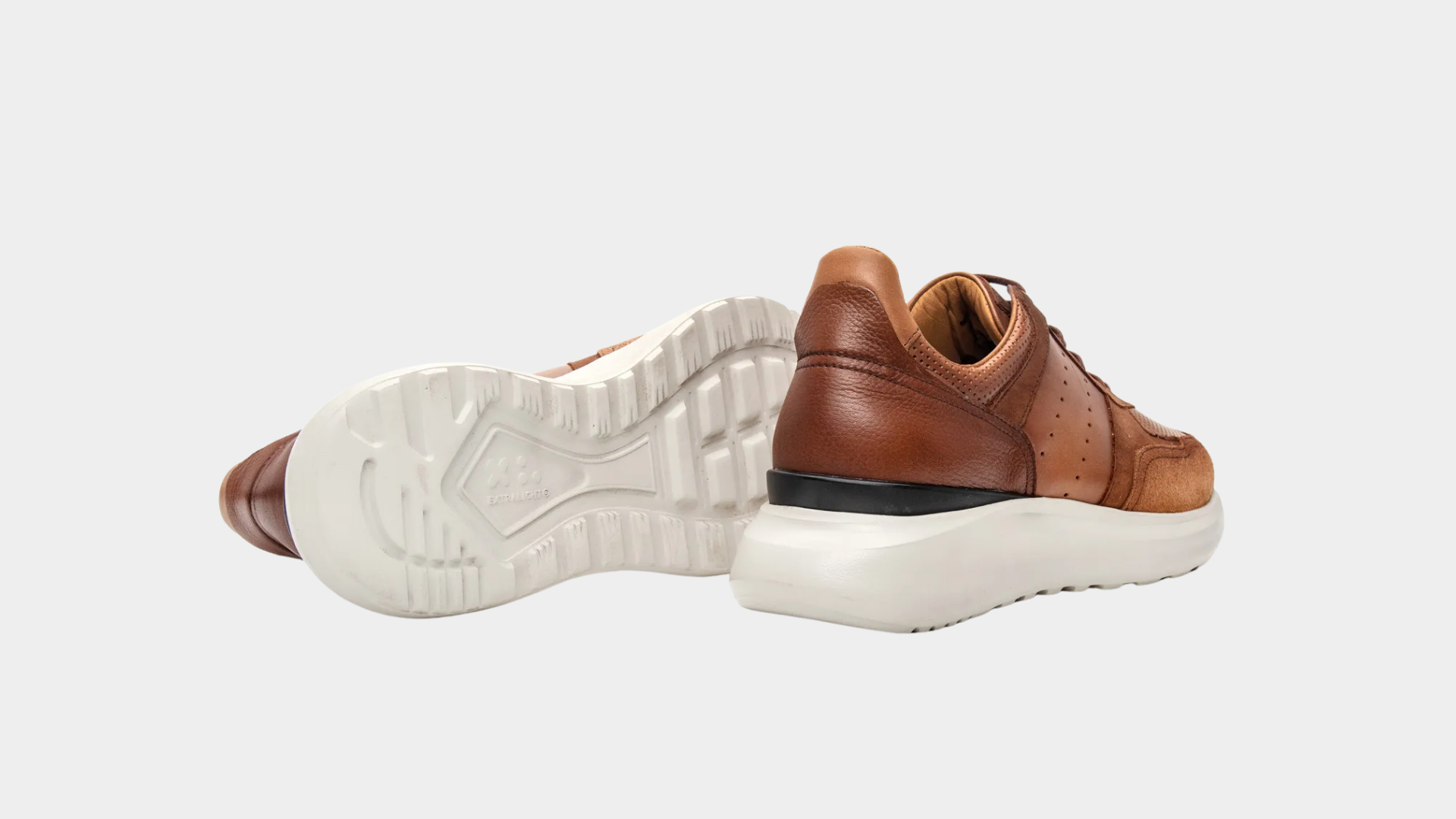
EVA (ethylene-vinyl acetate) is a lightweight, cushioned foam material used in athletic shoes, walking shoes, and modern lifestyle sneakers. EVA Soles are known for their softness and flexibility.
Benefits of EVA soles:
- Extremely lightweight, reducing overall fatigue while walking
- Offers excellent cushioning that absorbs impact effectively
- Provides a soft, comfortable feel ideal for long-distance walking or standing
- Enhance flexibility, allowing natural foot movement
PVC Soles
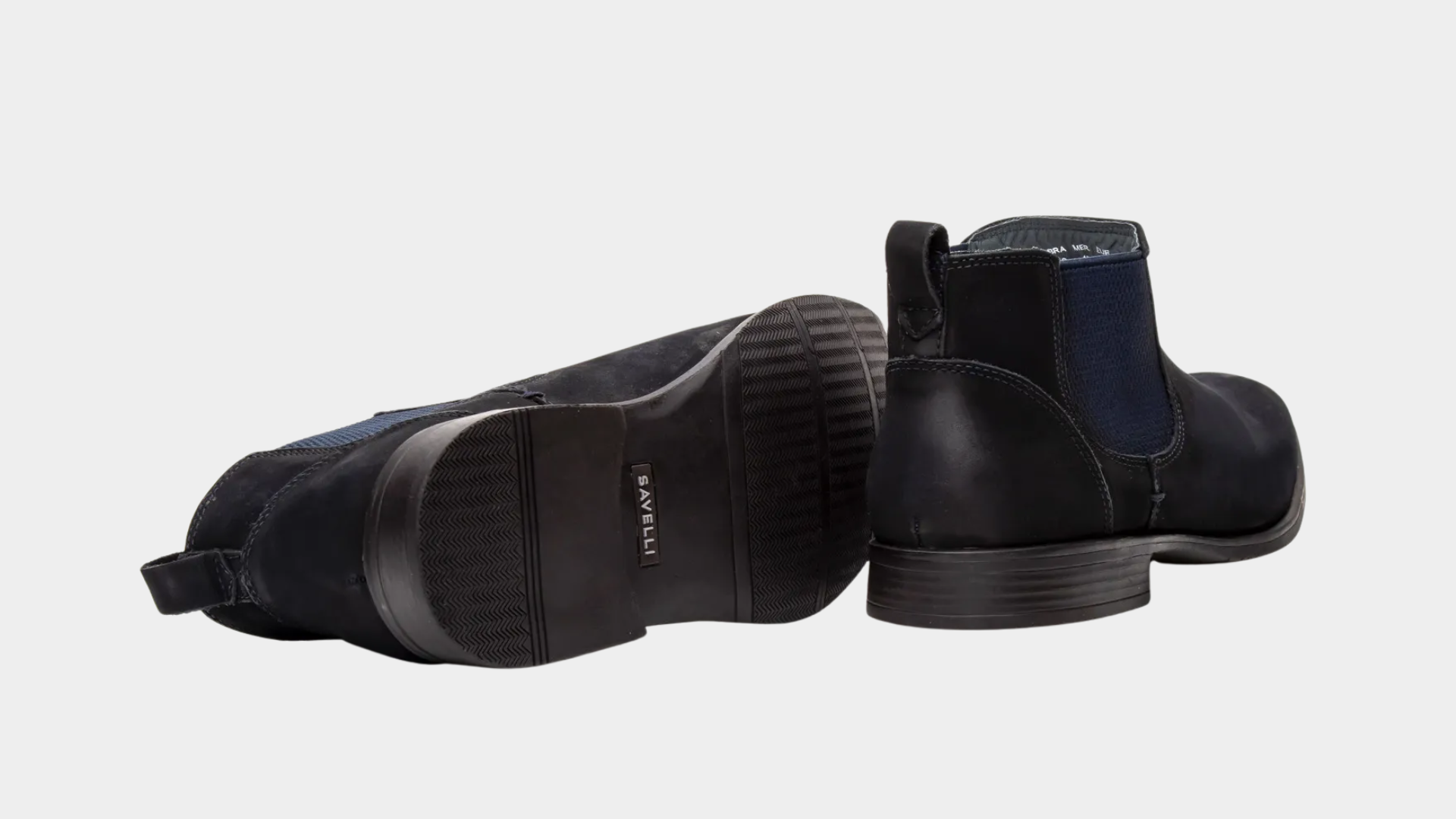
PVC soles are crafted from polyvinyl chloride, a durable and water-resistant material commonly used in footwear that requires structure and consistency. They are easy to mould, maintain their shape well, and perform reliably in everyday environments.
Benefits of PVC soles:
- Offer strong resistance to water, making them suitable for humid or rainy conditions
- Provide reliable ground contact and support for casual, low-impact use
- Resist chemicals and surface damage, making them practical for certain work or outdoor settings
- Require minimal maintenance and are easy to clean and care for
Which Sole Is Best for Certain Activities?
Different activities require different levels of cushioning, flexibility, and traction, so the choice of sole material can significantly influence comfort and performance.
| Sole of Shoe | Activity/Environment | Reason |
|---|---|---|
| Leather Sole | Formal Settings | Provides a structured, refined feel that complements dress attire. |
| EVA/Rubber Soles | Everyday Walking | Offers cushioning and effective shock absorption for all-day comfort. |
| EVA Sole | Running/Fitness activities | Lightweight, protective, and helps reduce strain during repetitive impact. |
| Rubber Sole | Outdoor/Rugged Condition | Durable, stable, and offers a strong grip on uneven terrain. |
| PVC Sole | Wet or Chemical-heavy environments | Water-resistant and stable, suitable for environments requiring protective properties. |
Benefits of Each Type of Sole Construction
While there are many methods of attaching a sole to a shoe, the ones below are the most widely used in leather footwear and formal shoes. These methods are widely used because they balance durability, comfort, flexibility, and repairability.
Cemented Construction
The sole is attached to the upper using high-strength industrial adhesive. It’s often used in modern casual shoes and some dress shoes that prioritise lighter weight and flexibility.
Benefits:
- Lightweight, ideal for daily wear
- Flexible
- Clean, streamlined look without visible stitching
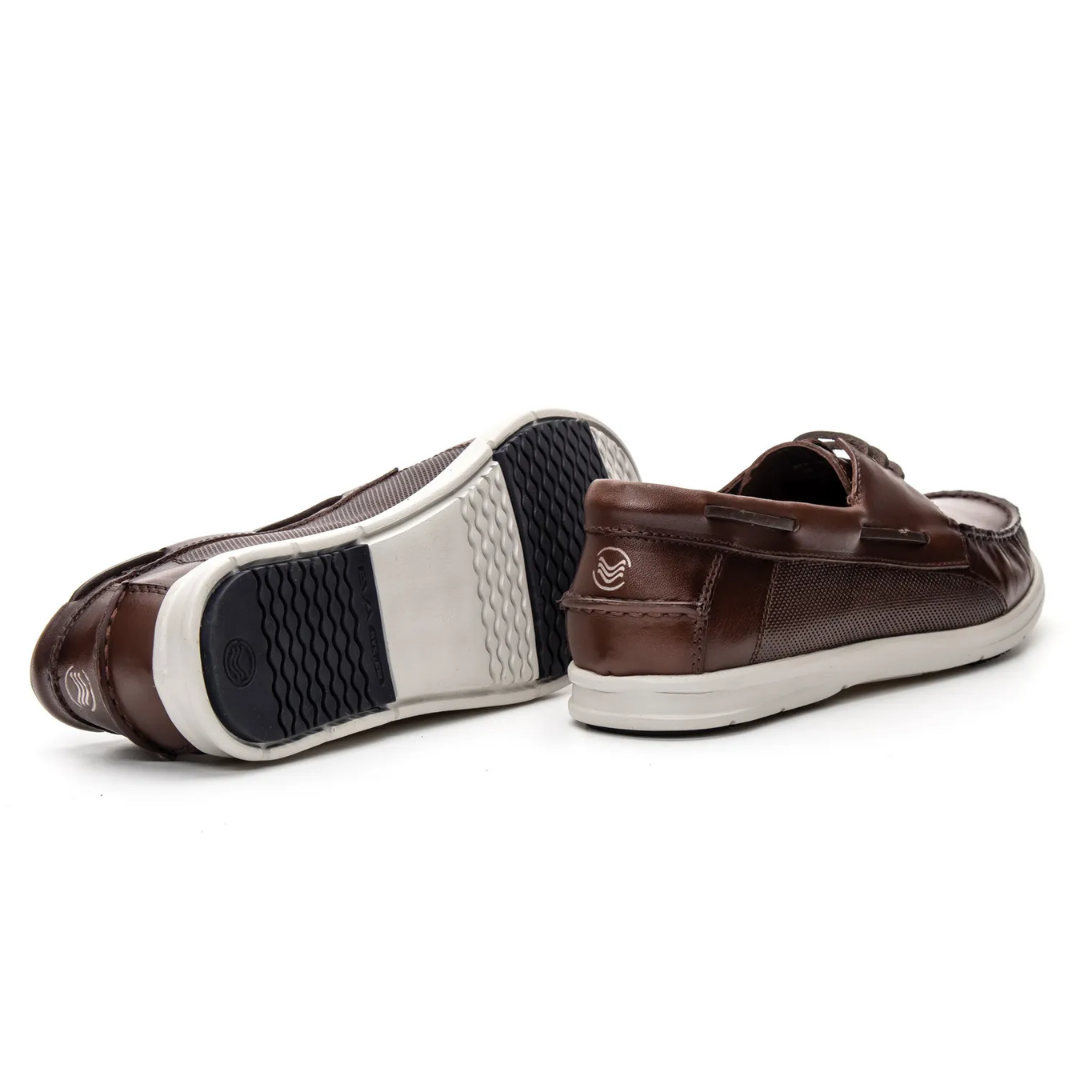
Stitched Construction
The sole is stitched directly to the upper, creating a durable and secure bond. Stitched construction is commonly seen in loafers, moccasins, and certain dress shoes.
Benefits:
- Stronger, more durable than cemented construction
- Helps shoe to maintain structure over time
- Can often be resoled, extending the shoe’s lifespan
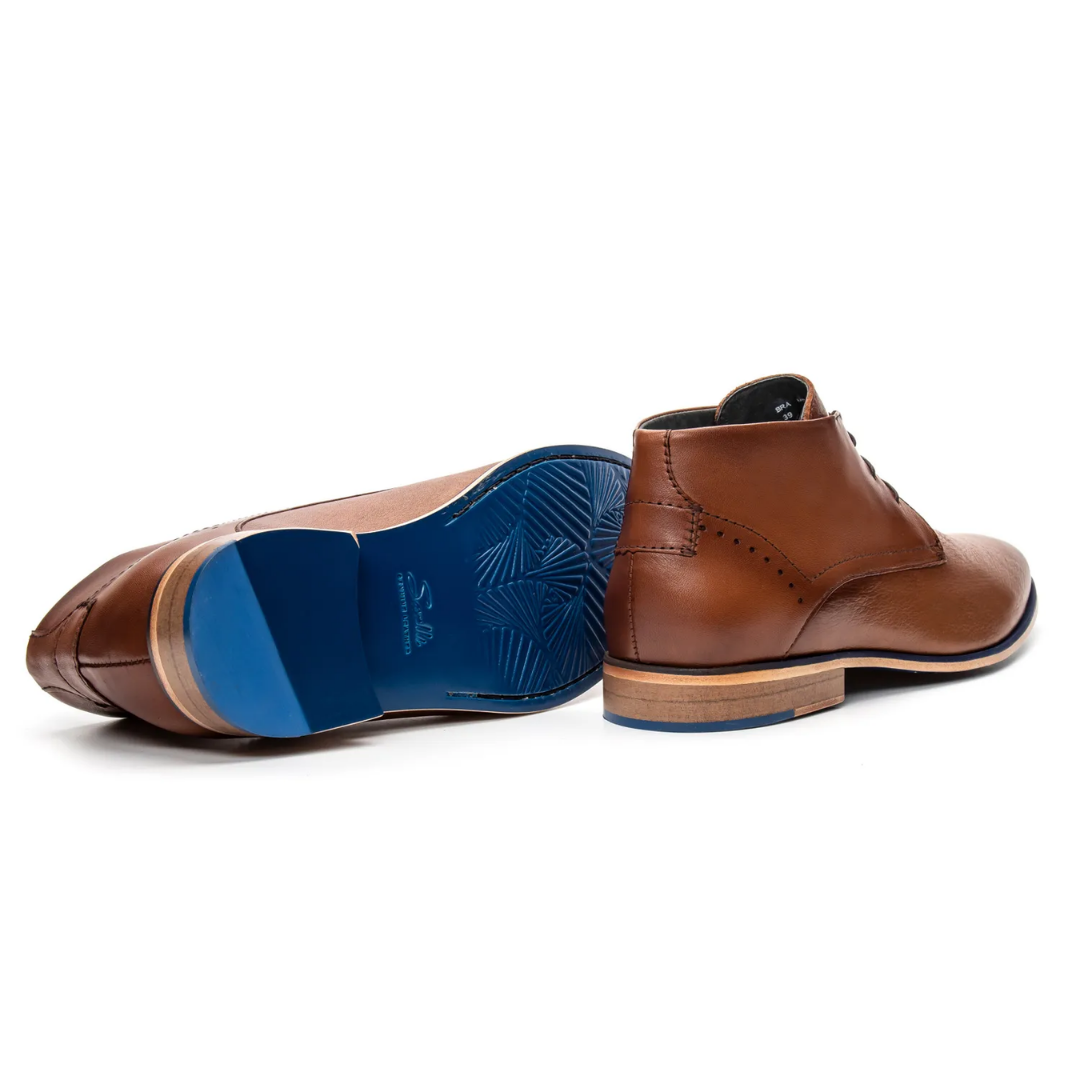
Goodyear Welt Construction
A welt is stitched around the upper, and the sole is later stitched to this welt rather than directly to the shoe. This is one of the highest-quality methods in shoemaking.
Benefits:
- Exceptionally durable
- Premium construction used in high-end formal shoes
- Easiest construction to resole cleanly
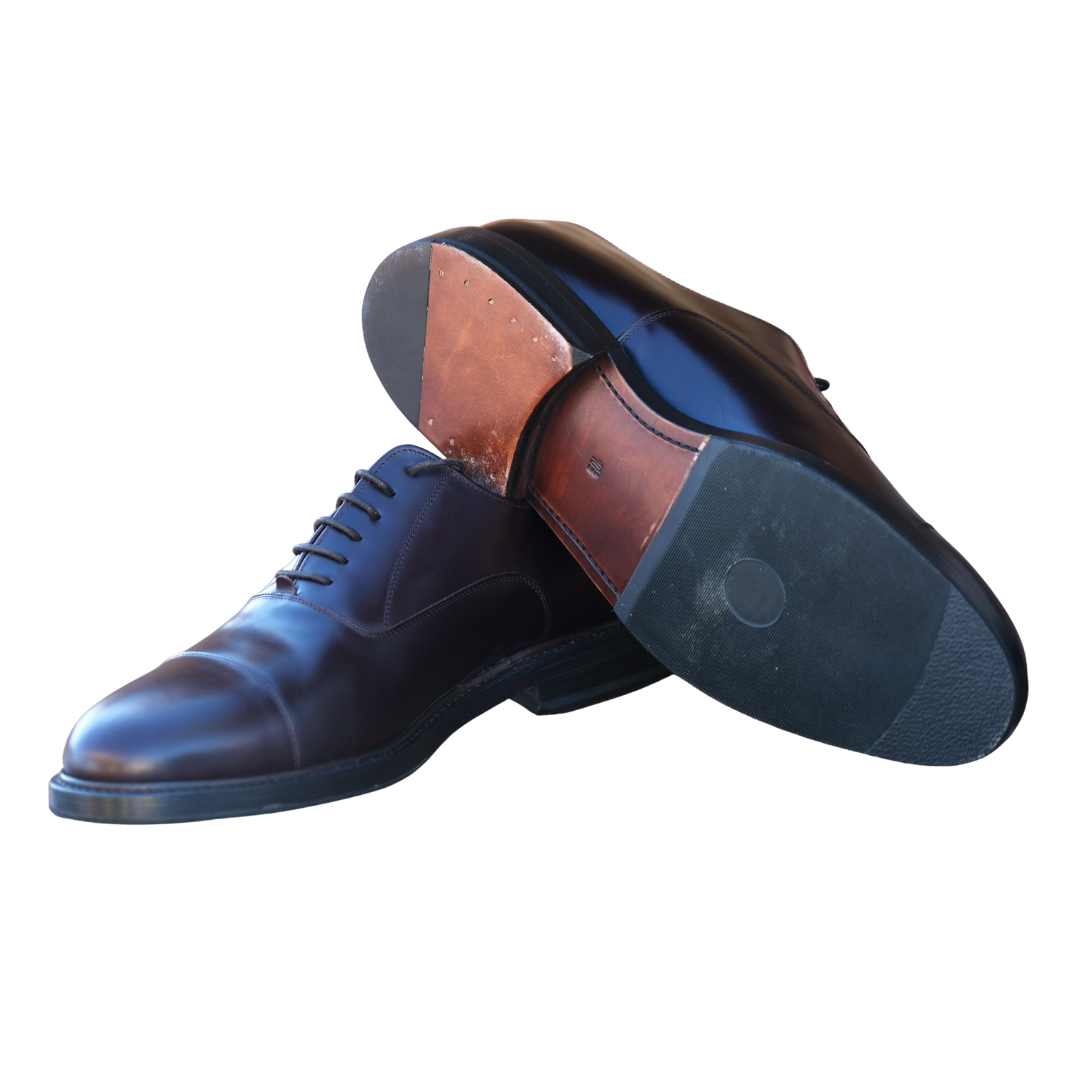
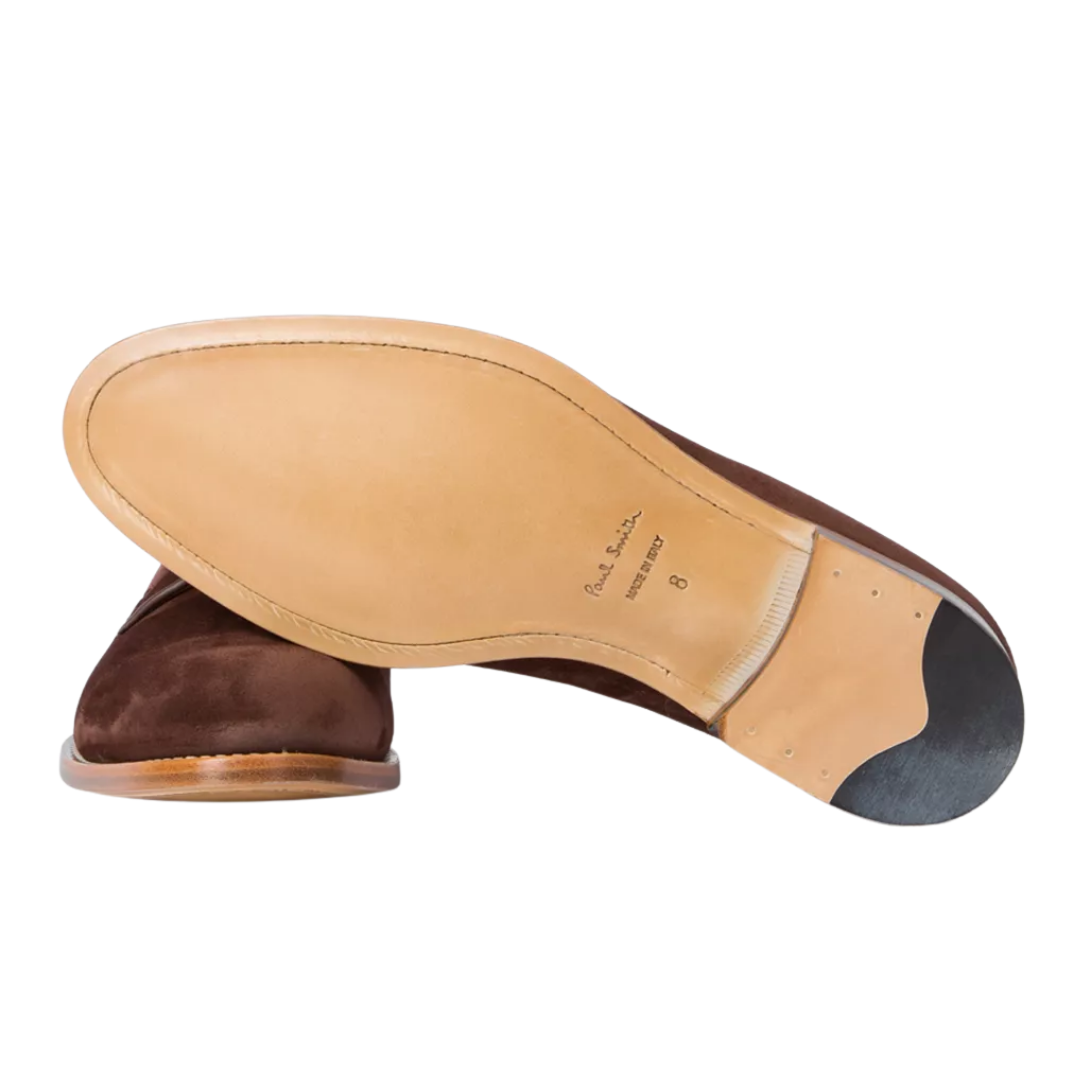
Blake Stitch Construction
A single internal stitch runs through the insole, upper, and outsole. It’s often used in Italian-style leather shoes for a sleek, flexible profile.
Benefits:
- Flexible & lightweight
- Slim, elegant silhouette; ideal for formal wear
- Easier to resole than cemented shoes
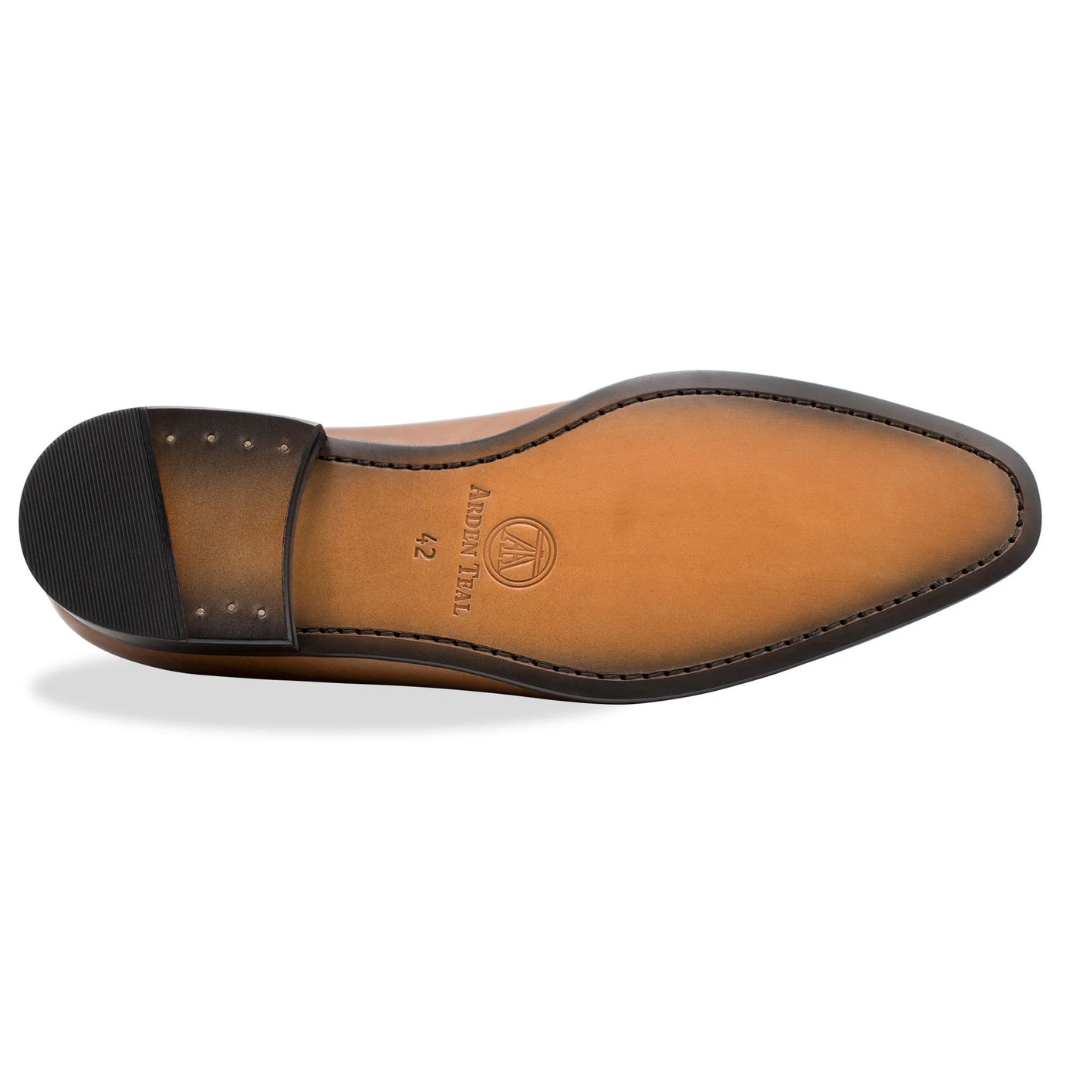
Blake Rapid Construction
A reinforced variation of the Blake method, using an additional midsole and extra stitching for strength and structure.
Benefits:
- More durable than standard Blake stitching
- Offers a balance of elegance & longevity
- Favoured in higher-end leather dress shoes
FAQs About Shoe Soles
How to care for each type of sole?
Caring for different types of shoe soles depends largely on the material. Leather soles should be kept dry and brushed clean after wear, as moisture can weaken the leather over time. Allowing them to rest in between uses also helps to preserve their structure — a tip mentioned when discussing overall shoe maintenance in our guide on How to Clean Leather Shoes.
Rubber soles are easier to maintain and generally only need occasional washing with mild soap while being kept away from excessive heat, which can cause the material to warp.
EVA soles require similar care; they should be kept out of direct sunlight to prevent hardening or compression.
PVC soles should be cleaned regularly and stored in dry, cool environments to maintain their firmness and prevent cracking.
How to repair shoe soles?
The type of repair your shoe sole needs depends on how it was constructed.
Cemented soles, which are attached with adhesive, typically require full sole replacement once the bond begins to weaken.
Stitched soles may be repaired with partial patching or full resoling depending on the wear pattern and overall shoe condition.
Goodyear welt shoes are the easiest to repair, as cobblers can replace the sole cleanly without affecting the upper.
What is the importance of the sole?
The sole is one of the most important components of any shoe because it directly influences comfort, safety, traction, and durability. It affects how the shoe interacts with different surfaces, how much support it provides, and how well it complements proper posture.
Whether you’re selecting something for the workplace, the weekend, or everyday casual use, understanding the strengths of each sole material and construction method helps you make choices that align with your lifestyle.
For a deeper understanding of shoe components, you can also explore our guide on Parts of a Shoe.

About Our Author
Marcus Tan
Marcus is the lead brand storyteller for Savelli Shoes. Deeply immersed in Singapore’s vibrant cultural intersection of craftsmanship and style, he decodes the nuances of men’s leather footwear.
Whether he’s breaking down the anatomical benefits of specific shoe construction or curating style guides for the discerning tropical gent, Marcus’s writing brings a contemporary, insightful perspective to the art of the perfect stride.